A bath-oil bottle can resemble a massage oil, fragrance or pantry bottle when the label is viewed quickly. Clear naming matters before any decorative botanical story. Design around the exact dispensing assembly and the approved product wording so the front makes the intended product recognizable without relying on the container color or an ambiguous illustration.
01
Begin with the approved bottle and closure
SKS’s personal-care range includes different container and dispensing formats. Use the supplier-approved combination selected for your product rather than choosing a closure because it looks like another brand’s pack. Record the bottle model and any insert, cap or dispensing component so the label proof represents the intended assembly.
Place the closed bottle beside the other products it may accompany. Read the front without picking it up. If its identity could be confused with another oil, strengthen the written product name before changing colors or adding more artwork. The label should not make a customer infer the product category from a scent name alone.
02
Assign different jobs to identity and directions
For an illustrative lavender bath oil, compare a front headed only by a poetic blend name with one clearly headed Bath Oil and a secondary blend name. Keep the same type family and decorative details in both versions so the comparison isolates recognition rather than becoming a contest between unrelated visual styles.
Set the business-approved directions on a separate readable panel. Do not invent a number of drops, quantity per bath or safety statement for the sake of filling space. If approved copy is still missing, keep an explicit placeholder in the working brief and do not release the final print export until the wording has been settled.
| Review item | Decision to record |
|---|---|
| Front panel | Unambiguous product category |
| Supporting panel | Approved directions |
| Pouring grip | Readable, unobstructed identity |
03
Check the grip and pouring presentation
Use the approved representative assembly to mark where the hand normally supports the bottle and where the dispensing edge sits. Keep important wording away from any area repeatedly covered during the visual rehearsal when another layout is available. Compare a front-and-back system with a long wrap if the latter makes the directions awkward to find.
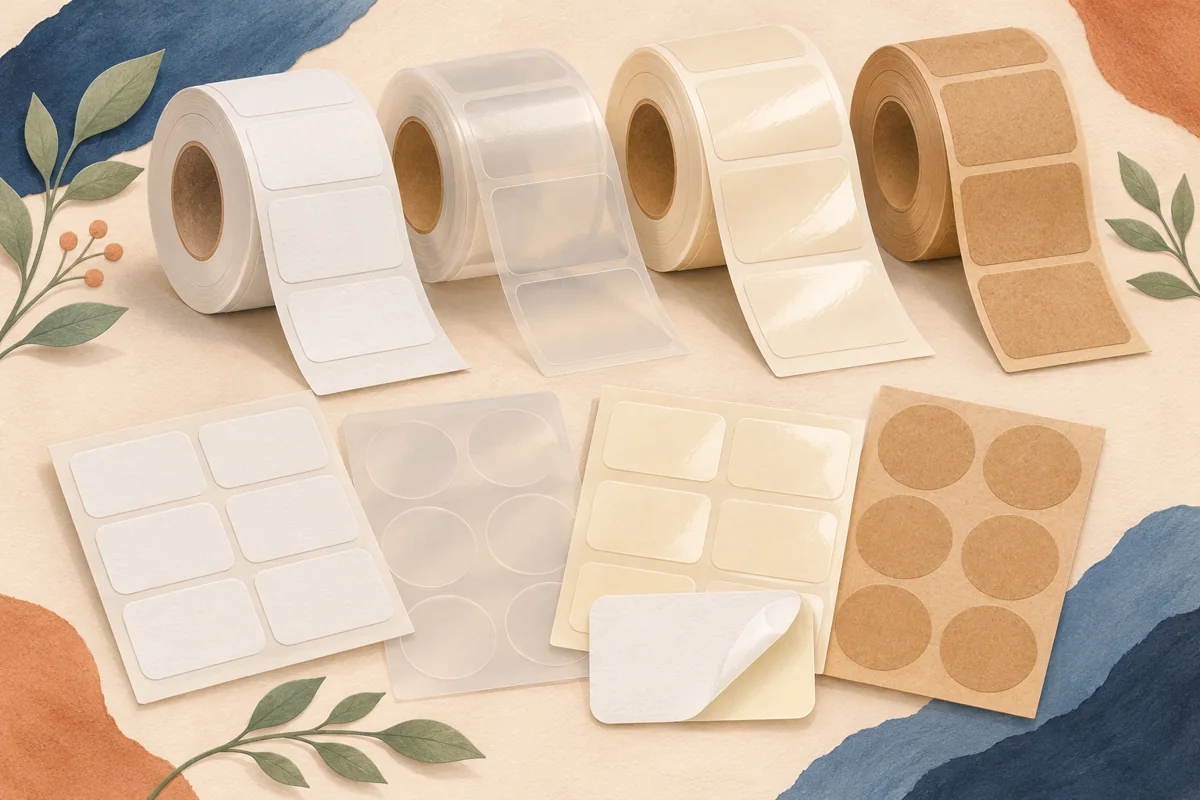
Discuss the expected handling environment and possible contact with the label supplier. Request a construction suited to the actual exterior and the intended use, then evaluate representative printed samples appropriately. A glossy appearance or a description such as durable does not itself prove suitability for oil exposure on your finished pack.
04
Keep the product category consistent across every touchpoint
Use the same clear product name on an outer box, set card and product listing. If a gift presentation hides the bottle front, ensure the visible outer identity remains understandable. Compare the closed gift pack with the loose bottle so the customer encounters the same category rather than two competing names.
Editable artwork can connect the oil with the rest of the bath range through shared typography and decoration. It remains a digital design starting point. Bottles, closures, formula directions and material performance are separate decisions, and a change to any of them should trigger a review of the corresponding label proof.
BEFORE YOUR NEXT STEP
Your practical checklist
- Confirm the pour assembly.
- Make Bath Oil clearly readable.
- Use approved directions only.
- Evaluate a representative label construction.
Questions & answers
Can I copy usage quantities from another bath oil?+
No. Use directions approved for the actual product by the responsible business.
Is an oil-resistant label automatically right for every bottle?+
Confirm the complete construction, container surface and intended conditions with the supplier and evaluate the actual pack.
Sources & further reading
Official references for the technical points in this guide. Check current specifications before production.