A label material can perform differently on two containers that appear similar. Shape, surface and the actual supplied container matter, so a generic glass or plastic description can conceal important differences. Build a simple matrix before ordering labels for several packaging models, and let the supplier guide the appropriate preparation and evaluation for each.
01
Make the rows specific containers
Use supplier model numbers and representative samples rather than categories such as small jar. Avery Dennison reports that adhesion behavior on different glass containers can differ from standard test panels. That is a reason to test the actual package, not a reason to reject glass generally. Include any relevant supplied surface treatment in the discussion with the container and label suppliers.
02
Control the columns and conditions
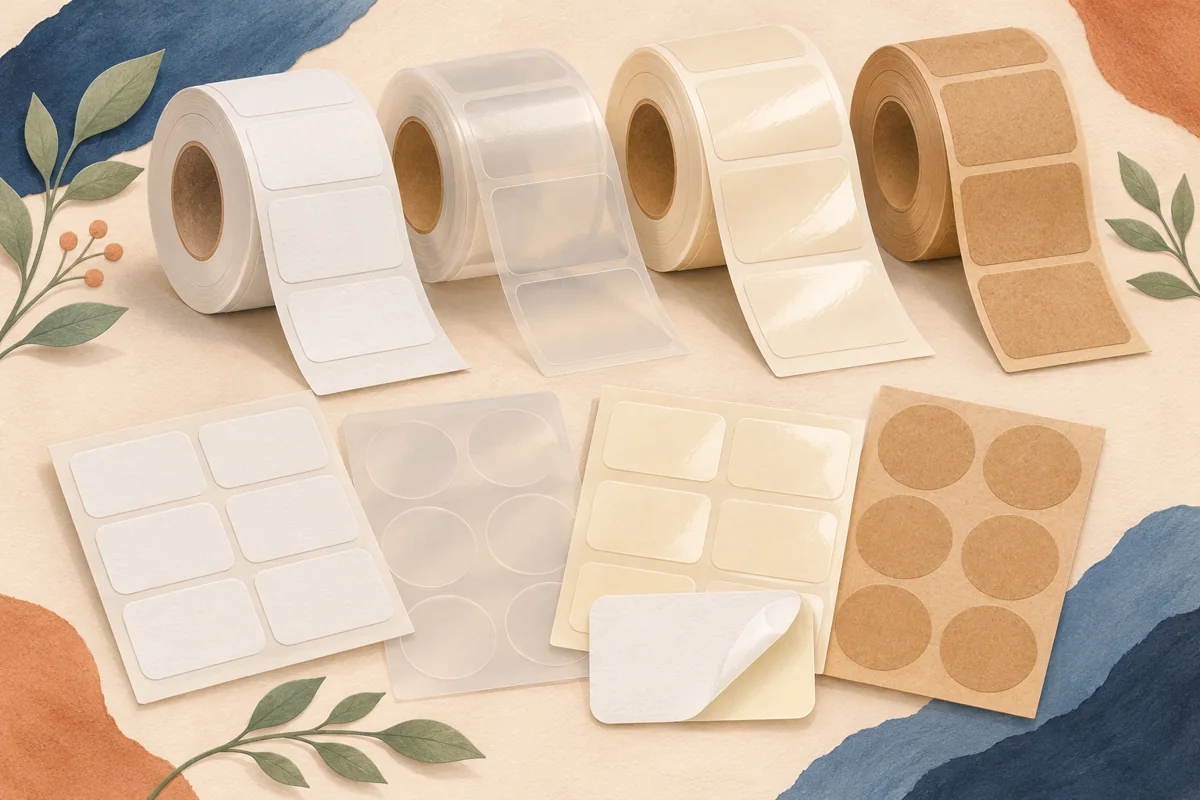
Give each candidate construction its own column, including face material, adhesive and finishing reference when available. Agree how samples should be prepared and applied. Keep unconfirmed details visible instead of filling them from habit. If one sample is handled differently, mark that difference so the resulting observation is not mistaken for a direct comparison of label constructions alone.
03
Choose using complete combinations
Review each container-and-label pairing on its own merits. A candidate that suits the broad body of one jar may behave differently near a tighter curve on another. Record the intended placement and normal use context. Ask the supplier to resolve incomplete or inconsistent results before treating the matrix as an approved specification for repeat orders across the whole product range.
04
Document what triggers a new comparison
List the changes that would require the supplier to review an accepted pairing: a new container model, a different placement, a changed surface or an alternative label construction. Keep that list with the matrix so routine purchasing cannot quietly invalidate the original decision. If an unavailable jar is replaced with a similar-looking one, mark the new row as unconfirmed until reviewed. A matrix is valuable because it records specific pairings, not because it produces a permanent verdict on all glass, metal or plastic packaging. Preserve that specificity when the product range grows.
05
A practical example to adapt
For an illustrative balm range, create rows for a shallow metal tin, a round glass jar and a particular plastic refill pot. Add two supplier-recommended label constructions as columns. Record the sample, preparation and observation instructions in the heading. Photograph each approved placement and enter observations without collapsing them into a single score called best label. If one combination lifts at the edge, ask the supplier whether size, placement, surface or construction needs further evaluation. Keep the accepted pairing for each package model. This matrix prevents a successful tin result from being reused automatically when a new jar arrives with the same nominal capacity.
| Record | Decision to preserve |
|---|---|
| Rows | Exact container models |
| Columns | Candidate construction references |
| Conditions | Agreed preparation and observation |
| Decision | Approve each complete pairing |
BEFORE YOUR NEXT STEP
Your practical checklist
- Rows: Exact container models
- Columns: Candidate construction references
- Conditions: Agreed preparation and observation
- Decision: Approve each complete pairing
Questions & answers
Does passing on one glass jar cover every glass bottle?+
No. Use representative containers and supplier guidance. A material category is broader than a specific tested package.
Should all containers use the same label construction?+
Only when the approved requirements support that choice. Consistent artwork can coexist with different suitable physical constructions.
Sources & further reading
Official references for the technical points in this guide. Check current specifications before production.