A small packaging budget benefits from a clear system. Instead of adding a new decorative item to every order, decide which few elements make the product recognizable and pleasant to receive. Consistent labels, a suitable container and a thoughtful packing process can do more for the presentation than a collection of extras that are expensive to replace or difficult to keep in stock.
01
Choose a few repeatable building blocks
List the packaging components that each product needs to reach the customer in good condition and communicate clearly. Separate these from optional decoration. You may find that several products can share a container family or a label material while keeping different product names and dimensions.
A limited system is easier to reorder and proof. Choose which decisions should stay fixed, such as the brand position, main typeface and neutral background, and which should change by product. This reduces the number of new choices every time you add a variant.
02
Make the label do useful work
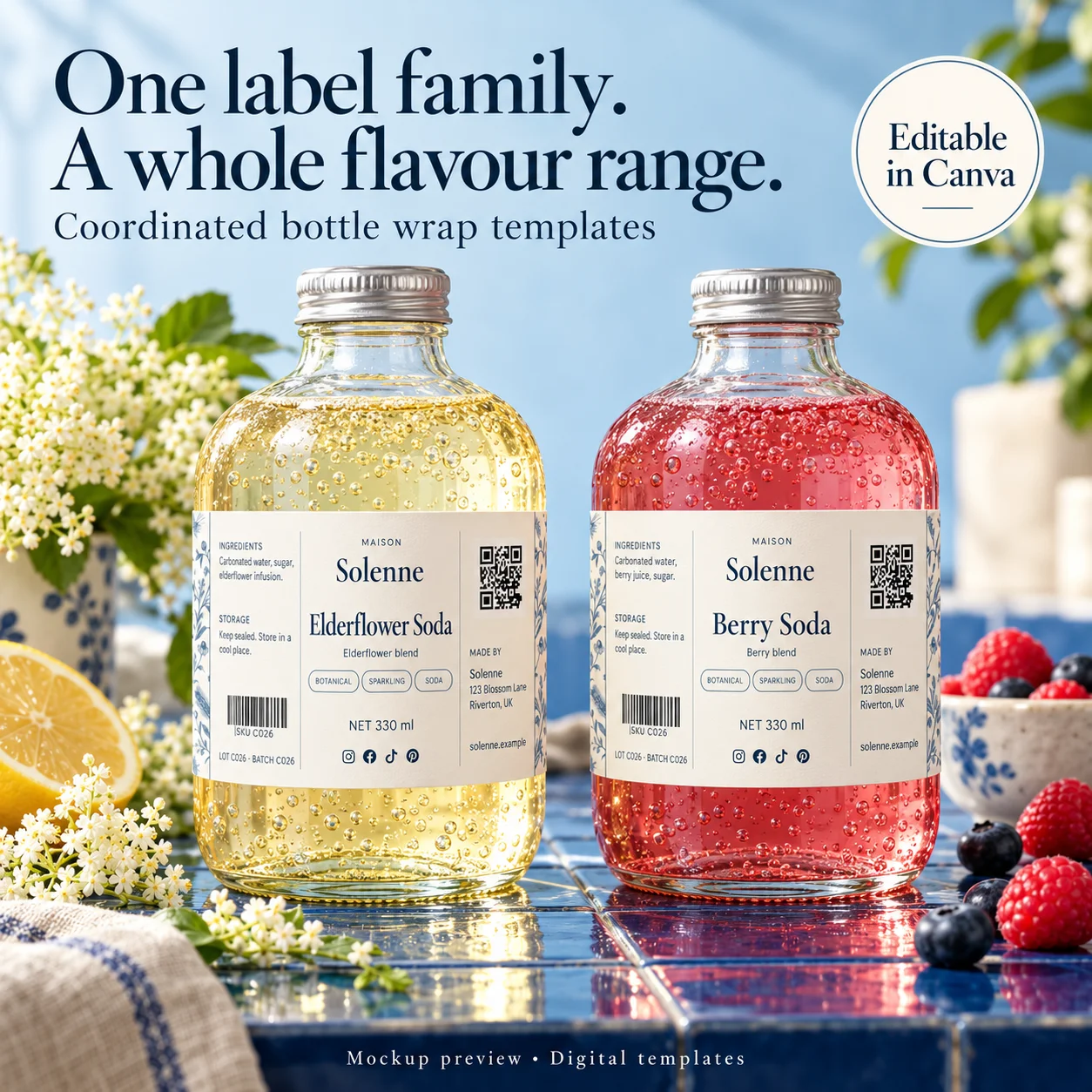
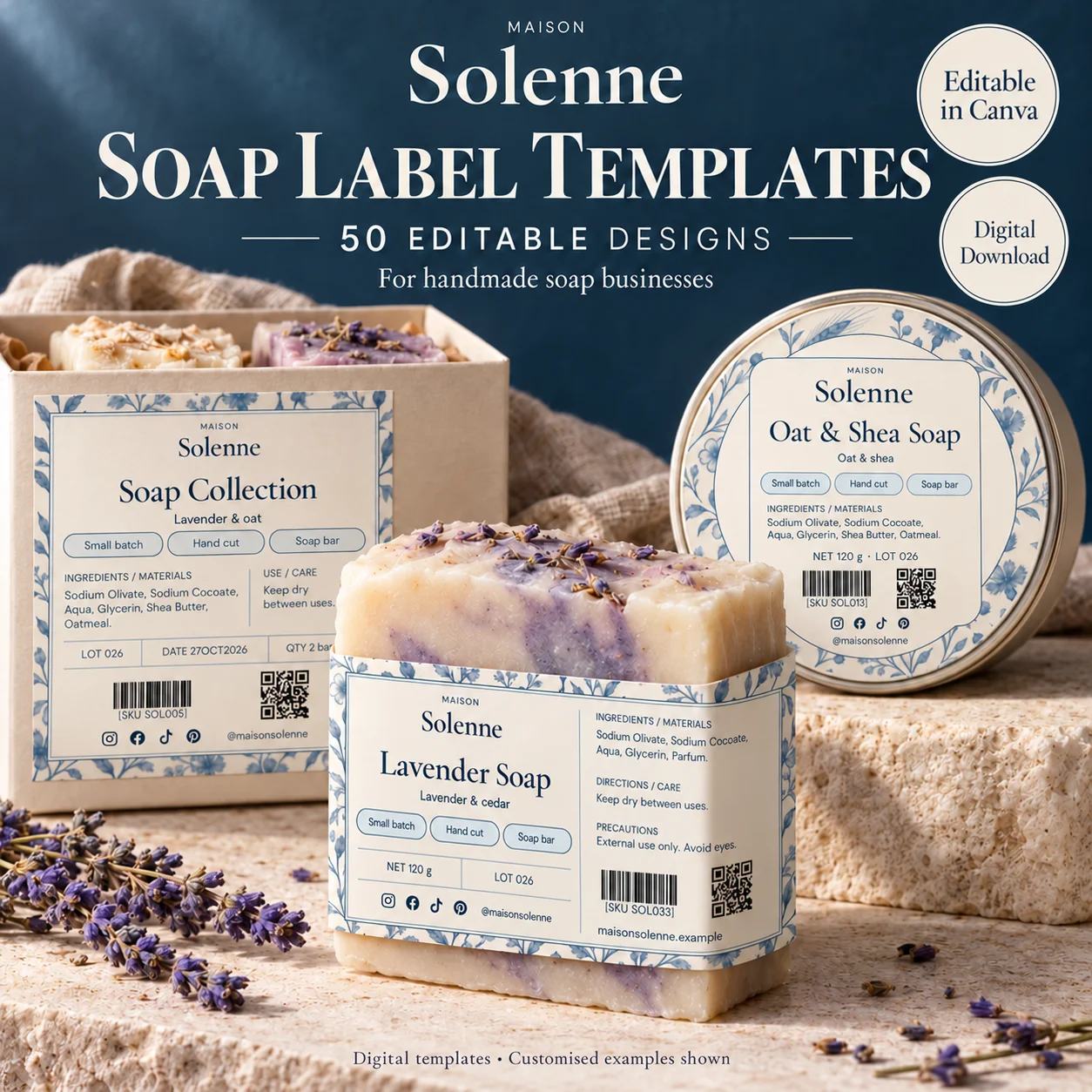
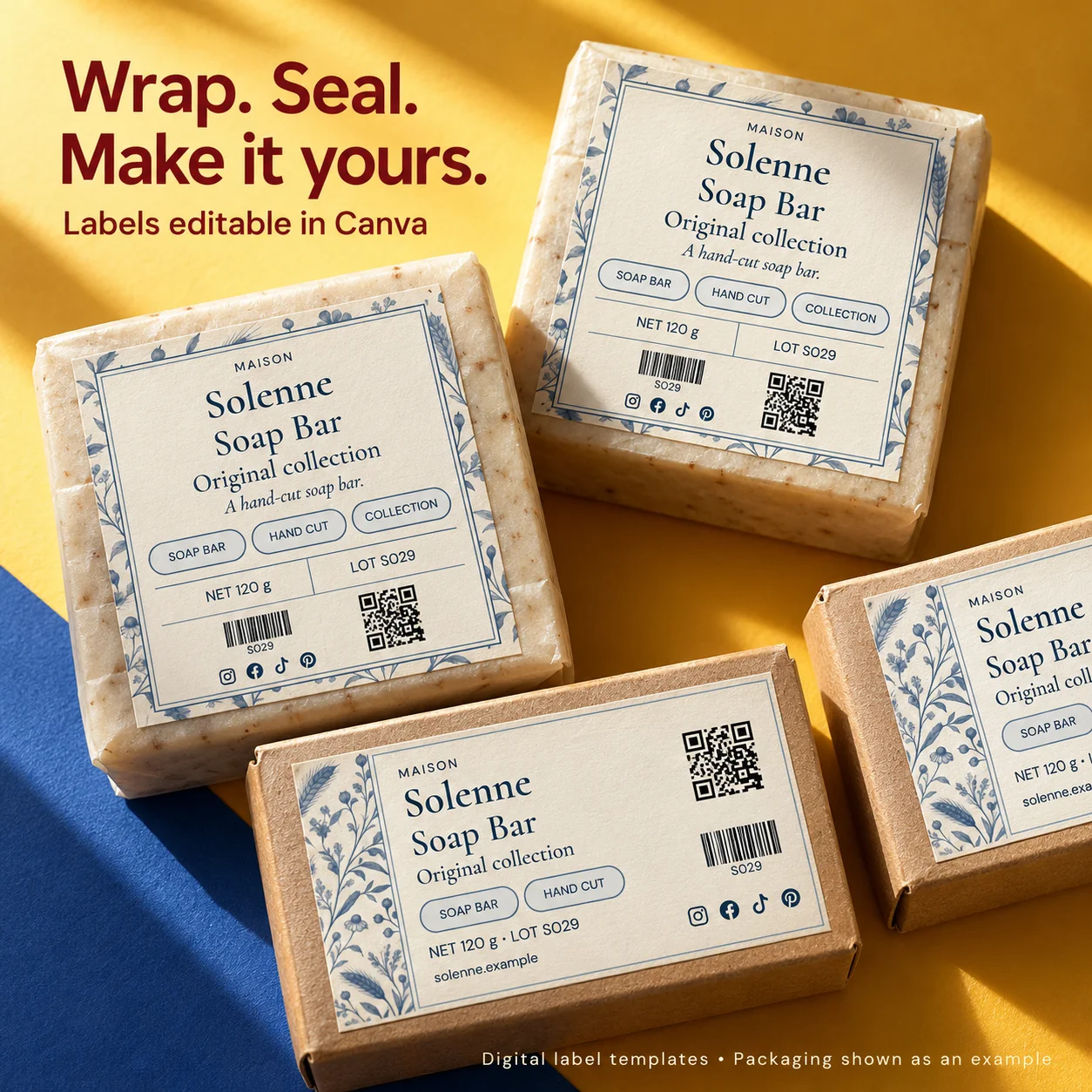
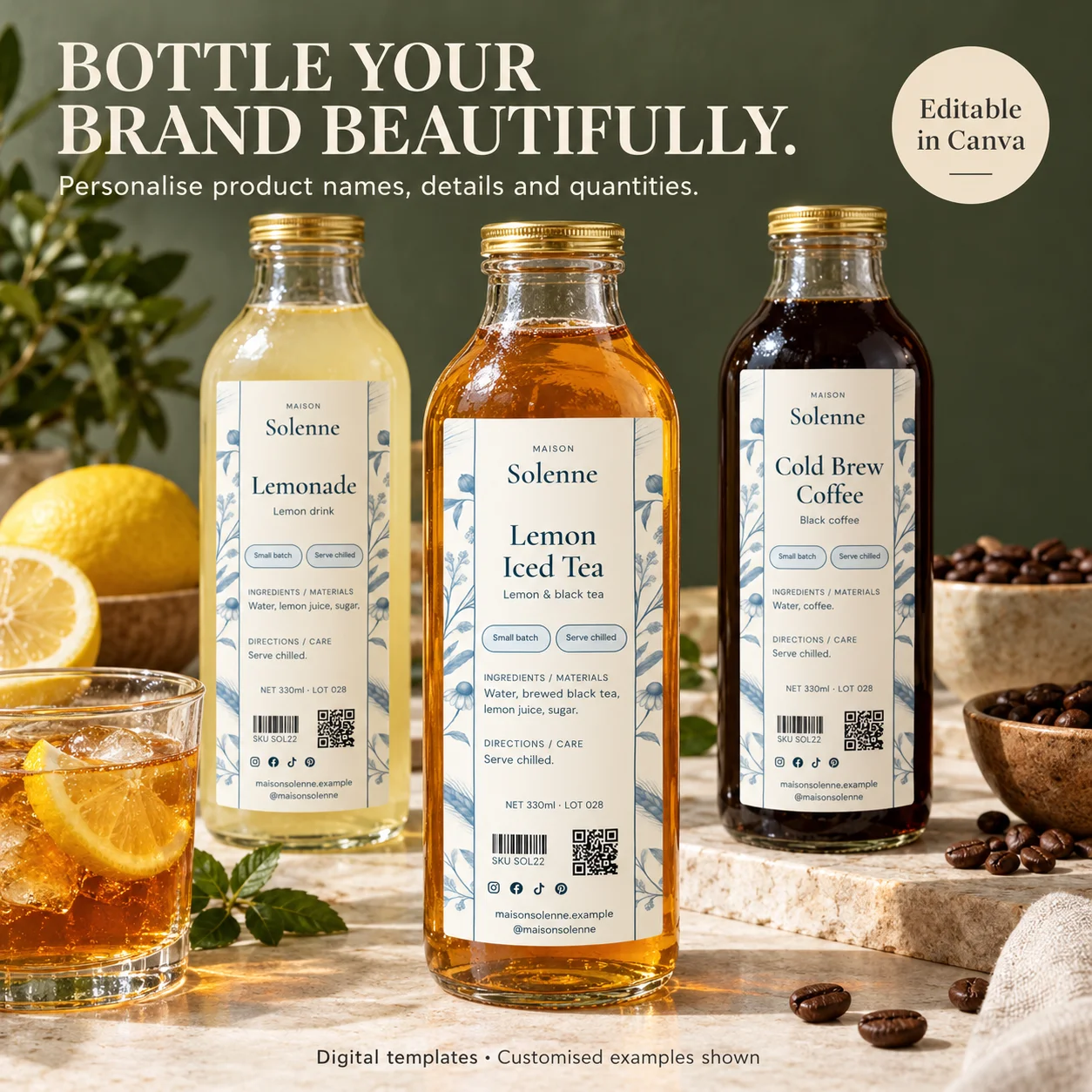
A clear, coordinated label can carry the identity of the product and connect it to the rest of the range. Give the main wording enough space and check it on the actual package. A slightly simpler layout is often easier to use across several formats than one built around a very specific shape.
Avoid treating every blank area as a place for another message. Keep the product name, useful information and decorative elements in a clear hierarchy. If an optional brand story will not fit comfortably, consider placing it on a product page rather than adding a crowded printed insert to every order.
03
Compare the whole packed-order cost
Create a component list with the quantity and cost of each piece used per order. Include label waste, tape, protection and the time needed to assemble the package. The cheapest individual box may not be the cheapest option if it needs more filling or takes much longer to prepare.
For a worked example, suppose one packaging option costs 1.20 in materials and another costs 1.40, but the first needs several additional assembly steps. Time a small sample of each before deciding. Use your own labor assumptions and actual supplier prices; the example figures are not market benchmarks.
04
Test the experience before adding extras
Pack a complete sample order and open it as a customer would. Check whether the product is easy to identify, the package is practical to open and important instructions are easy to find. Take photographs in the kind of light you will use for online listings.
Then ask which extra item would solve a real problem. A clear care or use card may be useful for one product, while another needs no additional paper. Avoid unsupported sustainability statements or calling a package recyclable without checking its components and the relevant disposal context.
05
Order in stages and keep a specification
Buy a manageable test quantity while the artwork, wording and package fit are still being finalized. Larger orders make more sense when the setup is stable. Keep enough flexibility to correct a problem without replacing months of packaging stock.
Save a short specification: container codes, label dimensions, material, artwork version and a photograph of the approved package. Record the assembly sequence as well. A consistent package is partly a design result and partly a repeatable process that someone can follow again next week.
BEFORE YOUR NEXT STEP
Your practical checklist
- Separate necessary packaging from optional decoration.
- Standardize a small number of repeatable components.
- Calculate costs per complete packed order.
- Test, photograph and document the approved version.
Questions & answers
Do all my labels need to be identical?+
No. Shared typography, color and spacing can create a cohesive range while each label uses dimensions appropriate to its package.
Will premium packaging guarantee more sales?+
No. Packaging can improve clarity and presentation, but sales also depend on the product, audience, pricing, delivery and the overall shopping experience.
Sources & further reading
Official references for the technical points in this guide. Check current specifications before production.