
Food Packaging Labels: A Practical Design Checklist
Organize food label artwork around approved wording, usable package panels, clear variants and a reliable proofing process.
Read the guideTHE HERDIGITALART GUIDE LIBRARY
Plan jar, pouch and bottle layouts with clear recipe names and supporting panels. Explore guides for pantry products, coffee, tea and craft drinks without treating artwork as a food-packing specification.
69 practical guides
Organize food label artwork around approved wording, usable package panels, clear variants and a reliable proofing process.
Read the guide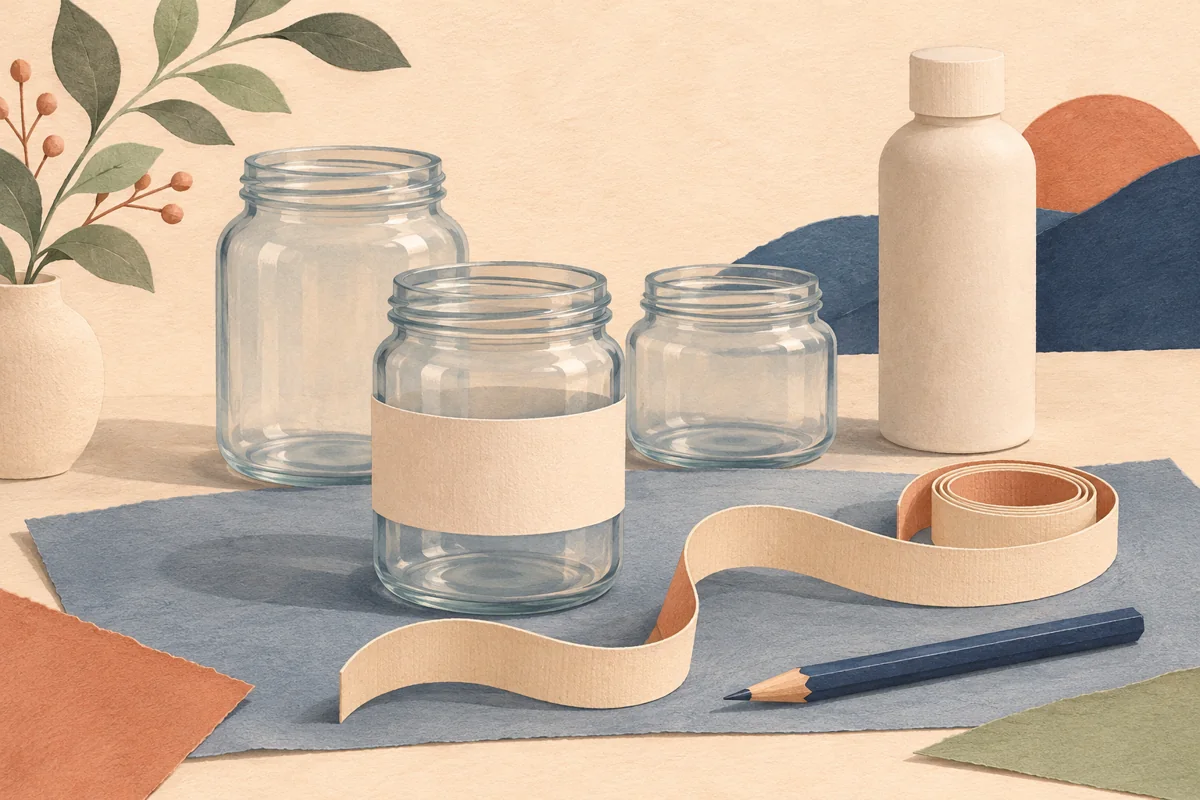
Design coordinated honey and preserve labels with a clear front panel, useful lid treatment and a realistic jar-sizing workflow.
Read the guide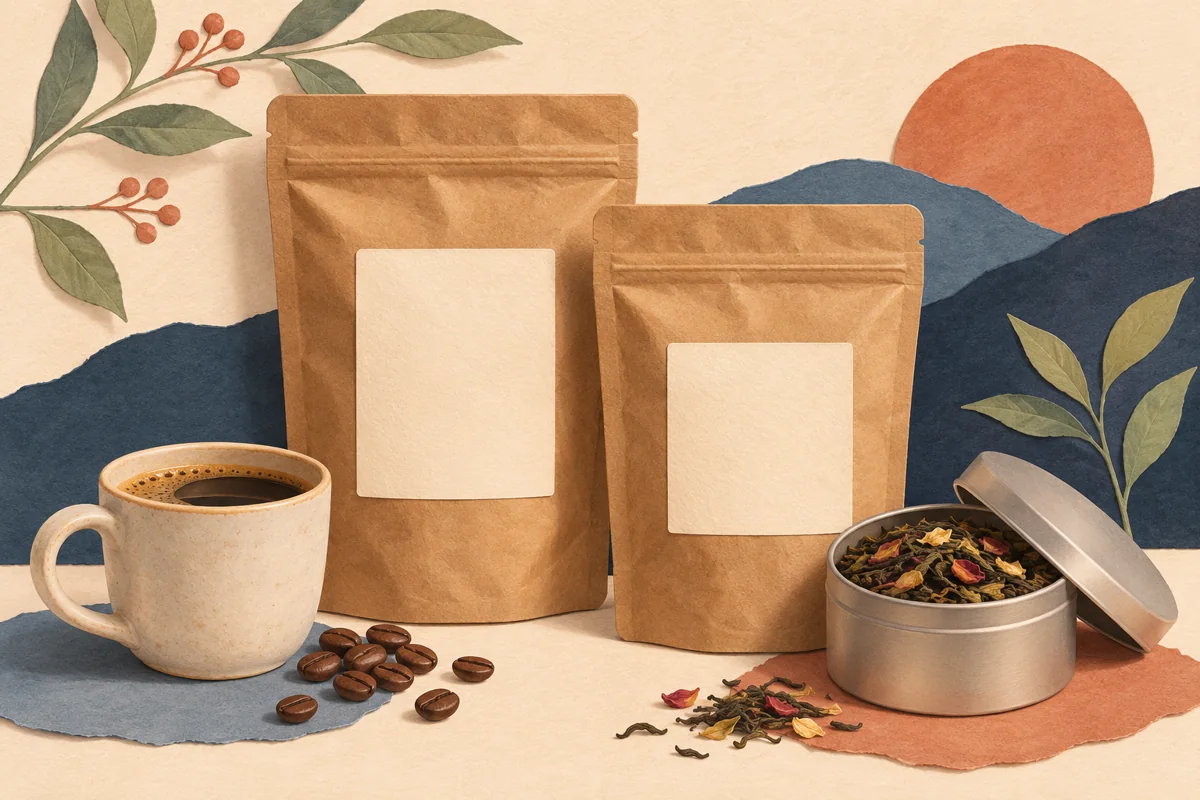
Design clear coffee bag labels around the bag’s usable panels, roast and origin information, variant hierarchy and real-package photography.
Read the guideFind the usable label area on jars, bottles and lids with a paper mockup, simple measurements and a fit check before buying or printing.
Read the guideDesign coordinated honey and preserve labels with a clear front panel, useful lid treatment and a realistic jar-sizing workflow.
Read the guideDesign clear coffee bag labels around the bag’s usable panels, roast and origin information, variant hierarchy and real-package photography.
Read the guideCreate a clear tea packaging system across pouches, tins and jars, with consistent blend names, useful information panels and practical print checks.
Read the guideOrganize food label artwork around approved wording, usable package panels, clear variants and a reliable proofing process.
Read the guideDesign coordinated jam and preserve labels with readable variety names, measured jar and lid layouts, and organised files for seasonal batches.
Read the guideCompare small jam jars, half-pint jars and larger formats by package purpose, usable label area and gift-box fit. Check capacity separately from label size.
Read the guidePlan a hot sauce bottle label around the usable panel, heat-level wording and longest flavour name. Compare front labels and wraps with a physical proof.
Read the guideDesign vanilla extract bottle labels with readable names, useful batch details and room for personalised gift text. Check amber glass and narrow panels.
Read the guideCompare coffee bag weights with usable label space. Fill a sample, measure the front panel and plan one label family across your coffee sizes.
Read the guidePlan coffee label artwork around a degassing valve. Mark the valve, zipper and folds on a filled pouch and compare two practical layouts.
Read the guidePlan coffee wedding favor packaging with clear names, useful coffee details and a repeatable assembly method. Compare individual and couple-sized favors.
Read the guideChoose loose-leaf or tea-bag wedding favors and plan labels guests can use. Include blend identity, verified brewing details and a simple packing plan.
Read the guidePlan mini honey jar wedding favors around jar fit, guest quantities and personalised labels. Proof one complete place setting before printing the batch.
Read the guideOrganise jam wedding favors with clear flavour labels, readable names and a simple packing plan. Check jar fit and mixed-flavour quantities before printing.
Read the guideBuild a jam gift basket around an intentional assortment, visible jar names and a simple contents card. Check the complete basket before choosing label sizes.
Read the guideBuild a spice label system around the way jars are stored. Compare front and lid names, distinguish blends and keep refill details organized.
Read the guideCompare round, hexagonal and shaped honey jars by usable label area, shelf view and lid clearance. Make paper proofs before choosing a container.
Read the guideFind the label panel on a honey squeeze bottle and check it during opening, gripping and pouring. Plan a readable front and matching back panel.
Read the guidePlan a honey sampler with readable jar identities, a matching assortment key and a box that keeps the lineup clear at opening.
Read the guideBuild a honey variety label system using stable name placement, supporting color and a clear reference for mixed jar sizes and seasonal additions.
Read the guideCompare lid finishes, label insets and opening clearance for jam packaging. Check the closure supplied for the actual jar before designing decorative labels.
Read the guideCreate a simple reference for applying round lid stickers. Check centering, text orientation and the way jars are packed before labeling the full batch.
Read the guideDesign a removable jar neck tag that hangs clear of the front label. Check the hole, tie length and gift message on a complete jar.
Read the guideCheck the folded top and tin-tie position before sizing a coffee bag label. Compare the front panel, closure movement and packed display.
Read the guidePlan a small coffee sample pack with readable blend names, a useful assortment key and label dimensions based on the filled pouch.
Read the guideOrganize a tea sampler so loose-leaf packs, tea bags and tasting notes stay connected. Plan the label layout and compare a complete boxed sample.
Read the guidePosition a tea pouch label on its filled front panel. Check zipper clearance, transparent windows and the lower gusset before approving the print.
Read the guidePlan tea tin labels around the body, removable lid and viewing angle. Test a readable identity system before making the complete set.
Read the guideCompare spice jars using shelf clearance, opening shape and actual label space. Build a practical paper proof for short and tall containers.
Read the guideCompare straight, tapered and oval sauce bottles with a physical panel proof. Check curved shoulders, viewing angles and packing clearance.
Read the guideBuild a juice bottle label proof around the real container, flavor names and expected moisture. Check a material sample before a full print order.
Read the guidePlan a mixed food gift box with a physical packing map, readable product labels and a clear contents key. Test the arrangement before ordering supplies.
Read the guidePlan adhesive bottle neck labels around changing diameters and moving closures. Compare paper proofs and request the correct outline from your printer.
Read the guidePlan granola pouch labels around the filled shape, product window and longest recipe name. Compare a practical front-panel proof before ordering.
Read the guideCreate dried-fruit labels with a clear product name, a purposeful window and a reliable mix identity. Compare the packed pouch across different fruit shapes.
Read the guideOrganize nut-butter jar labels around a short sidewall, broad lid and clear texture names. Make the right variant easy to identify in a crowded display.
Read the guidePlan maple syrup labels around broad flask fronts, small handles and raised bottle details. Compare front and back panels without obscuring the product.
Read the guideCreate dressing bottle labels with clear recipe identities, readable supporting panels and room around shoulders and closures. Compare a three-recipe lineup.
Read the guideCompare olive-oil label layouts on square and cylindrical bottles. Plan readable fronts, rear information panels and coordinated sizes with a physical proof.
Read the guideDesign vinegar labels with clear base identities, flavor distinctions and front-facing text. Compare the bottle beside matching oils and gift accessories.
Read the guidePlan pesto label panels around squat jars, deep lids and long recipe names. Compare the front, lid and supporting information without crowding the package.
Read the guideBuild a salsa label system with explicit heat descriptors, clear recipe names and readable panels. Compare a mixed shelf and gift assortment before printing.
Read the guideDesign hot-chocolate jar labels that explain the mix, preserve a useful product view and keep verified preparation directions with the gift.
Read the guideCreate a useful brewing card using verified blend instructions, clear units and a reliable connection to the tea pouch or tin. Proof a multi-blend set.
Read the guidePlan a readable roast-date area on coffee packaging. Separate date and batch fields, choose an unambiguous format and review the real marking process.
Read the guidePlan kombucha label placement on the assembled bottle, keep closure movement clear and organize a readable flavor family before ordering artwork.
Read the guidePlan cold brew labels around drink format, usable bottle panels and verified serving wording. Compare concentrate and ready-to-drink packs without relying on color alone.
Read the guideMap a beer can wrap into front and supporting panels, keep the seam controlled and check written variant identity as the can rotates.
Read the guidePlan paired front and back wine labels using the actual bottle shape, a repeatable orientation reference and approved copy for each wine and release.
Read the guidePlan mixer bottle labels with explicit product identity, verified preparation wording and usable space around a pouring closure. Compare the bottle in a gift pair.
Read the guidePlan labels for cut-comb trays and hinged boxes around the viewing window, closure and display position. Measure the assembled container before setting the artwork.
Read the guidePlan artwork for a drip-coffee outer envelope without confusing it with the hanging filter or retail carton.
Read the guideBuild a capsule sleeve around the loaded tray, visible count and opening direction before decorating the flat carton.
Read the guideOrganize matcha-tin artwork around the actual nested closure and approved preparation information.
Read the guideDesign a sachet carton index that still works when packets move, turn over or are removed from the row.
Read the guideCreate an assembly map that keeps daily tea packs, printed numbers and compartment positions synchronized.
Read the guidePlan the outside identity of a honey-stick bundle without obstructing the individual sticks or confusing assortment counts.
Read the guideDesign a refill label that makes the intended spice and receiving container clear without confusing the sachet with a ready-to-use shaker.
Read the guidePosition a grinder label on the stable container without hiding adjustment, opening or dispensing features.
Read the guidePlan tiny-vial identity and a readable outer information panel without turning the vial into an unreadable wrap.
Read the guideChoose a herb-pouch label position by checking the filled and settled window rather than its empty outline.
Read the guideOrganize a flavored-sugar jar so a descriptive flavor name does not obscure the actual product identity.
Read the guidePlan a drink-powder tub label around the fitted closure and approved preparation information without confusing scoop capacity with product quantity.
Read the guideOrganize an outer carton for narrow drink sticks so count and flavor identity stay clear after opening.
Read the guideBuild a readable soup-mix instruction panel from approved directions, with clear quantities and a defined start point.
Read the guidePlan a pasta bag label around the visible shape, filled volume and separate approved cooking information.
Read the guidePlan label placement on a filled rice bag by separating the front face, side gussets and stable reading areas.
Read the guideCoordinate a tea tube’s lid and body without relying on a perfectly aligned seam that normal opening can disrupt.
Read the guide